

Skip to content

Grants · scholarships · discounts

Scholarships to study abroad for students from Uzbekistan

What a scholarship actually pays for, which programmes are open to citizens of Uzbekistan — from the state-funded El-⁠Yurt Umidi scholarship to tuition discounts at Malaysian universities — and how to apply without losing time or money.

Facts checked against official sources on 1 October 2026

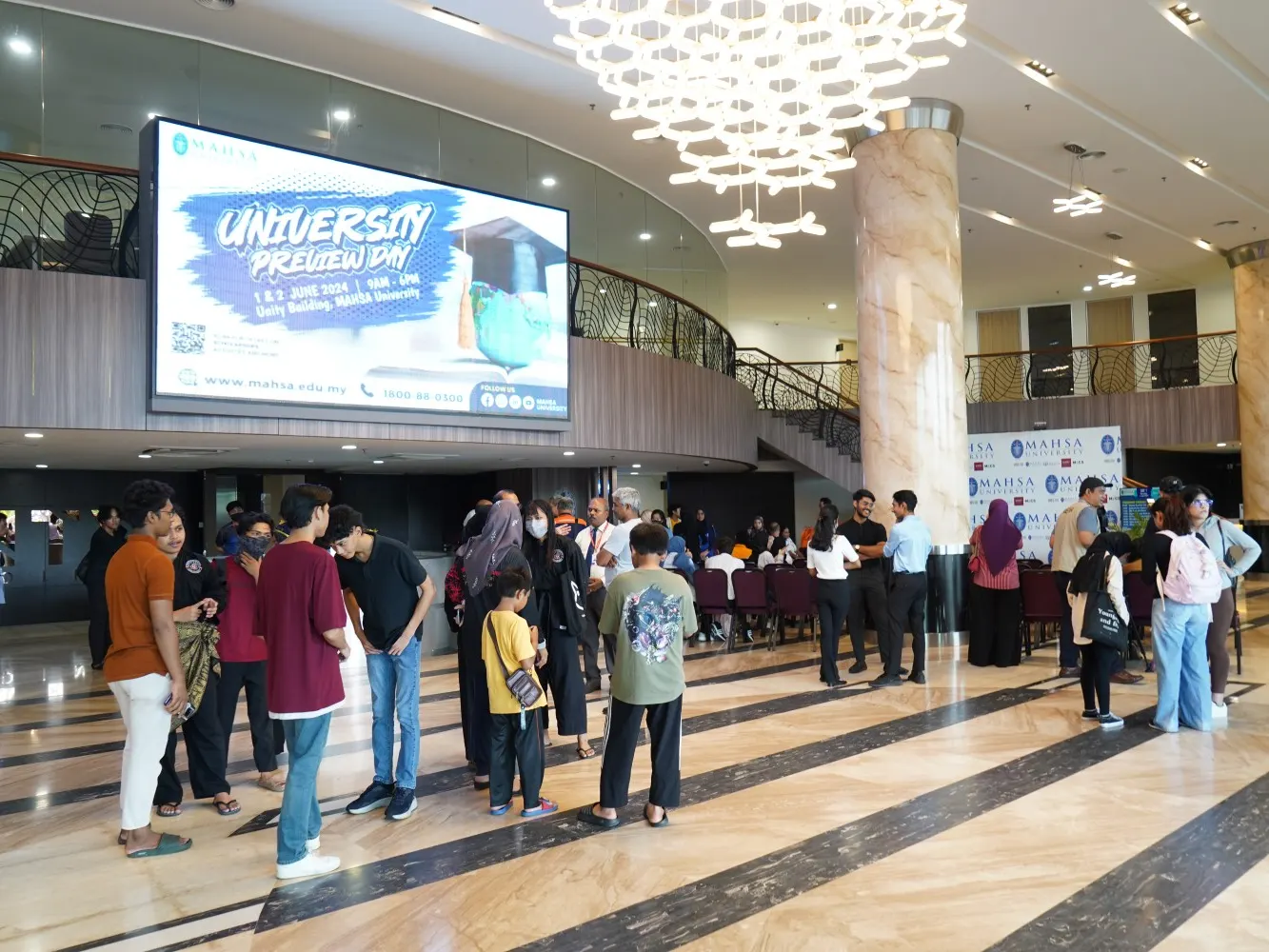
Applicants and parents at a MAHSA University open day in Malaysia

Terms first

Grant, scholarship or discount: what is the difference?

In Uzbekistan, a “grant” usually means fully paid study. Abroad, the word often means partial funding, so read exactly what is on offer and for how long.

Grant
Non-repayable funding from a government, foundation or university. It may cover tuition fees only, or flights, housing and insurance as well. The terms always say which.
Scholarship
What universities call their own support schemes. Most often it is a full or partial tuition fee waiver for a semester or a year, on condition that you keep your grades up.
Discount
A lower price at admission for good grades, early payment or a university promotion. It is not money in your pocket, just a smaller tuition bill.

What a “100% scholarship” usually means

In most cases it means 100% of tuition fees, not of all your costs. The rules of the El-⁠Yurt Umidi Foundation, for example, define a full university grant as one that covers the tuition fee only. At City University Malaysia, a scholarship of “up to 100%” waives first-year degree tuition fees for students with a CGPA of 3.75 or higher.

What a university’s “100%” covers

  • Tuition fees, in full or in part
  • For the period set in the terms: a semester, a year or the whole programme
  • As long as you meet the conditions: grade average, attendance, service hours

Still paid by the family

  • Housing and food: City University Malaysia estimates living costs at about RM 15,000 a year
  • The application fee and student visa processing through EMGS: about RM 3,810 at City University
  • Flights, medical insurance, textbooks and personal spending

Only a few state programmes pay for everything, El-⁠Yurt Umidi among them. More on those below.

Types of funding

Scholarships open to students from Uzbekistan

Four sources of funding for study abroad, each with its own requirements, deadlines and fine print.

  • State of Uzbekistan

    El-⁠Yurt Umidi scholarship

    Fully funded study at universities in the global top 300: tuition, flights, housing and insurance. In return, graduates commit to working in Uzbekistan.

    For strong applicants with IELTS 6+ and an offer from a top university

  • Foreign governments

    Government scholarships

    Malaysia, Hungary, Türkiye and other countries fund international students through their own programmes. Competition is tough and applications open once a year.

    For applicants who start at least six months ahead

  • Universities

    Merit scholarships

    A full or partial tuition waiver for grades, sport or leadership. Usually awarded for one year and renewed if your grade average stays high.

    For top students ready to keep a high GPA

  • Admission offers

    Discounts and promotions

    Lower fees for Foundation, the first semester or early payment. Terms change with every intake, so check them before you apply.

    For families who need a lower price from year one

State programme

El-⁠Yurt Umidi: study abroad funded by the state of Uzbekistan

The El-⁠Yurt Umidi Foundation under the President of the Republic of Uzbekistan pays for bachelor’s, master’s and doctoral study at leading universities abroad. Its rules are set by Presidential Decree PF-77 of 5 May 2025.

Funded by
El-⁠Yurt Umidi Foundation for the Training of Prospective Personnel under the President of Uzbekistan
Levels
Bachelor’s 3–4 years, master’s 1–2 years, doctorate 3–4 years
Where
Universities in the QS or THE global top 300
2026 round
500 places, applications 3–24 April, 210 winners

What the foundation pays for

  • Tuition fees
  • Visa
  • Medical insurance
  • Travel to the place of study and back, once per academic year
  • Living costs, including rent and daily expenses
  • Textbooks and research literature
Who can apply

Bachelor’s

Age
up to 30
IELTS Academic
6.0+
Work experience
not required
Work in Uzbekistan afterwards
5 years

Master’s

Age
22–40
IELTS Academic
7.0+
Work experience
1 year+
Work in Uzbekistan afterwards
3 years

Doctorate

Age
25–45
IELTS Academic
7.0+
Work experience
2 years+
Work in Uzbekistan afterwards
5 years
  • You do not need an IELTS certificate if you already hold an unconditional offer from a university abroad.
  • Selection: a document check, a test (analytical thinking and IQ for bachelor’s applicants, pass mark 61 out of 100) and an interview in Uzbek. The motivation essay is also written in Uzbek.
  • In 2026, this year’s school and college leavers could apply for bachelor’s places with a school reference and transcript instead of the final certificate.
  • Scholars who do not complete the required work period repay all costs twice over, together with their guarantors.
  • By decision of its board, the foundation may also fund a Foundation year at universities in some developed countries, provided Foundation and the bachelor’s degree together take no more than four years.
  • If a top-100 university (QS ranking for bachelor’s, THE for master’s and doctorate) has already given you a full tuition scholarship, the foundation awards its scholarship without a competitive selection. With such a scholarship at a top-300 university, it covers flights and housing without selection.

Important if you are choosing Malaysia: El-⁠Yurt Umidi only funds study at universities in the QS or THE top 300. MAHSA University, for example, is in the 801–1000 band of the THE World University Rankings 2027, so this scholarship is not available for study there. Private universities in Malaysia offer their own scholarships instead — see below.

Government scholarships

Scholarships from other governments

These programmes are open to citizens of Uzbekistan. Each runs one round a year, and you need to apply well ahead, usually six months or more before classes start.

  • Malaysia

    Malaysia International Scholarship (MIS)

    Levels
    Master’s, PhD
    What it covers
    Tuition fees plus RM 1,500 a month for living costs
    How to apply
    Online on the website of Malaysia’s Ministry of Higher Education. Uzbekistan is on the 2026 list of eligible countries. Age limit 40 for master’s and 45 for PhD; CGPA 3.0+ and IELTS 6.0+. Study at public universities and four private ones: UTP, UNITEN, MMU and INCEIF.
    Official website
  • Hungary

    Stipendium Hungaricum

    Levels
    Bachelor’s, master’s, PhD
    What it covers
    Free tuition, HUF 43,700 a month, a dormitory place or HUF 40,000 a month towards rent, medical insurance
    How to apply
    Through DreamApply, with a nomination from Uzbekistan’s Ministry of Higher Education, Science and Innovation. Calls are announced on edu.uz.
    Official website
  • Türkiye

    Türkiye Bursları

    Levels
    Bachelor’s, master’s, PhD
    What it covers
    Tuition fees, a monthly stipend, accommodation, health insurance, a flight ticket and a Turkish language course
    How to apply
    Online at turkiyeburslari.gov.tr. Applying is free.
    Official website

Can you study for free without a scholarship?

State universities in Germany generally charge no tuition fees for bachelor’s and most master’s programmes. The exception is Baden-Württemberg, which charges non-EU students EUR 1,500 per semester. You still pay a semester contribution of EUR 70–430, and the visa requires proof of EUR 992 a month for living costs.

Source: DAAD

Malaysia

Scholarships and discounts at Malaysian universities

Malaysia’s government scholarship (MIS) is for master’s and PhD students only. At Foundation and bachelor’s level, the universities themselves cut tuition fees for strong students. Below are the scholarships at two universities we help students get into.

MAHSA University main building from above

MAHSA University

According to the university, its scholarships cover up to 100% of tuition fees for eligible students.

  • MAHSA Blue Ribbon Scholarship

    A merit scholarship for new MAHSA students and alumni: up to 100% of tuition fees for the current level of study, plus priority for on-campus housing. The threshold is a CGPA of 3.5 for bachelor’s, master’s and PhD study, and five A grades in SPM or IGCSE for Foundation (we check in advance how the university will treat an Uzbek school certificate). To keep it you need a CGPA of 3.0 and 80% attendance, and the university may ask for 120 hours of volunteer service.

  • Foundation Scholarship

    For its 20th anniversary, MAHSA launched a scholarship covering 100% of Foundation in Science, Business and Arts, open to local and international students. Conditions: strong grades, a commitment to continue to a degree at MAHSA and scholar service hours. It is a limited-time offer, so we check with the university whether it applies to your intake.

  • Graduate Excellence Initiative (GREI)

    Support for master’s and PhD students through a work-based placement at the university. Applicants for a taught master’s need a bachelor’s CGPA of 3.5 or higher.

  • Flexi Payment Plan

    Tuition fees can be split into monthly instalments.
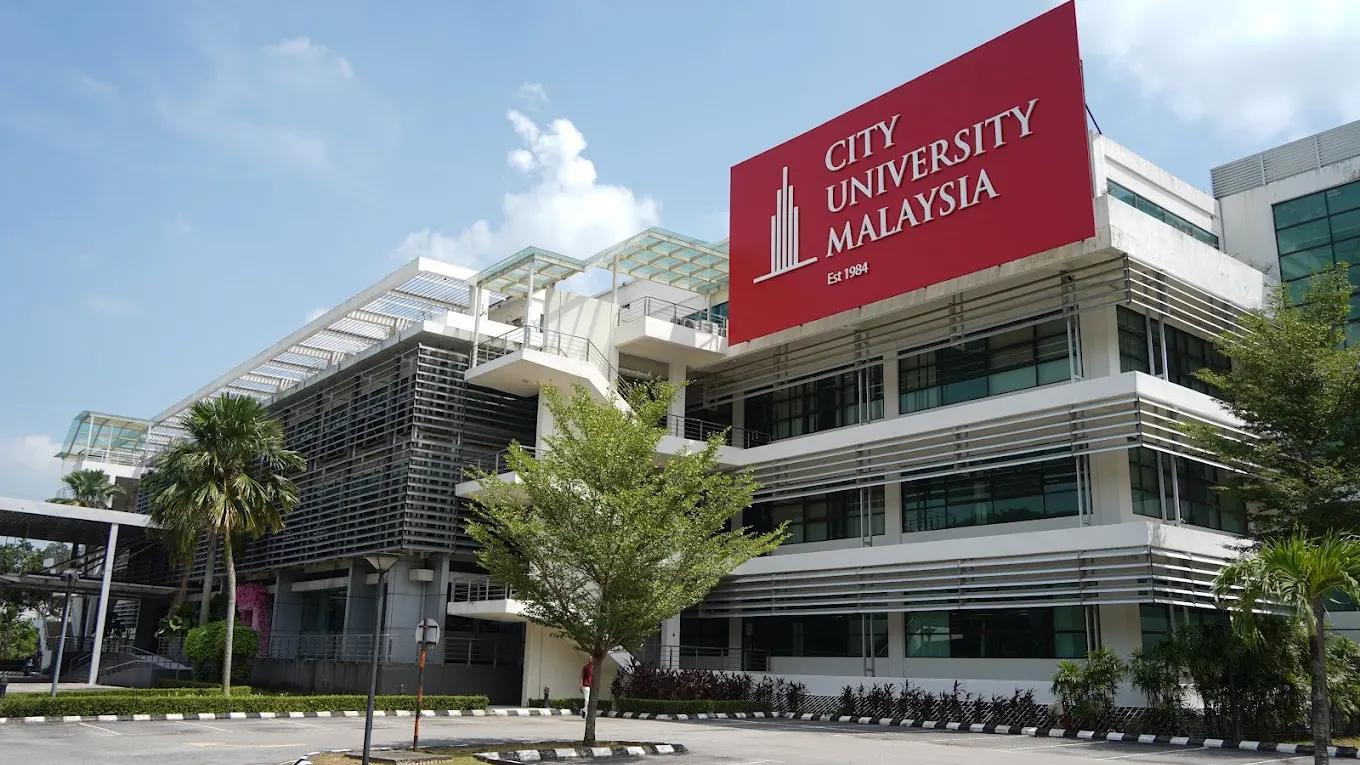
City University Malaysia building with its red sign

City University Malaysia

The university awards up to RM 20 million in scholarships every year. Some schemes are for Malaysian citizens only, but these are open to all students:

  • Vice-Chancellor Scholarship

    Up to 100% of first-year degree tuition fees for students who complete Foundation at City University with a CGPA of 3.75 or higher.

  • Pro-Chancellor Scholarship

    Up to 100% of first-year degree tuition fees for students who complete A-Levels at City University with AAA.

  • Scholarship for Outstanding Student

    Up to 80% off tuition fees for degree students with a CGPA of 3.5 or higher.

  • How to keep it

    Full-time study, at least 85% attendance, the required CGPA every semester and 42 hours of faculty service per long semester.

Scholarship terms can change from one intake to the next. We confirm them with the university before you apply.

Study in Malaysia: universities, intakes and requirements

OPAL offer

A scholarship for the Foundation year in Malaysia

Terms depend on the university, programme and intake. At the consultation we check whether you qualify and show which costs stay with the family.

  • The first year of study, the Foundation programme, is free
  • You pay only for the paperwork
  • Save up to $5,000 a year
Check your scholarship chances

Step by step

How to win a scholarship to study abroad

Start early: IELTS preparation, documents and the competition itself take several months.

  1. 01

    Assess your chances

    We look at grades, English level, family budget and goals, and tell you honestly which scholarships are realistic.

  2. 02

    Choose programmes

    We shortlist 2–3 universities and scholarships and compare their requirements and deadlines.

  3. 03

    English and documents

    IELTS or another test, a school certificate with grades, translations, a motivation letter and references.

  4. 04

    Application

    We apply to the university and for the scholarship, which are often two separate applications.

  5. 05

    Offer letter

    We check exactly what the scholarship covers, for how long and on what conditions.

  6. 06

    Visa and study

    We arrange the student visa through EMGS and get you ready to fly.

Documents

Documents you need for a scholarship

The exact list depends on the programme. This is the core set.

Bachelor’s and Foundation

  • Passport valid for at least 18 months, as required to enter Malaysia
  • School certificate or transcript with grades for recent years
  • IELTS or another English test, if the programme requires it
  • Motivation letter or essay
  • Photo and the university’s application form
  • Notarised English translations of all documents not in English

Master’s and PhD

  • Bachelor’s degree (master’s for a PhD) and transcript
  • IELTS or TOEFL, or a letter from your university confirming English-medium study
  • Two reference letters
  • CV
  • Research proposal for research master’s and PhD; at least 1,000 words for MIS

Common mistakes

Why students lose scholarships

  • Reading “100%” as “free”

    A tuition scholarship does not pay for housing, the visa or flights. Work out the full budget in advance.

  • Skipping the renewal terms

    Many scholarships last one year. If your grades or attendance fall below the threshold, you pay full fees from year two.

  • Applying late

    Competitions open once a year and run for a few weeks: in 2026, El-⁠Yurt Umidi accepted applications from 3 to 24 April.

  • Putting off IELTS

    Many scholarships will not accept an application without a certificate, and retaking the test takes time.

  • Embellishing documents

    Foundations verify certificates directly. In 2026, El-⁠Yurt Umidi disqualified a candidate for submitting false SAT results.

  • Falling for urgency

    “Three places left, deadline tomorrow” is a reason to check the terms on the university’s official website, not to pay faster.

What is a scholarship to study abroad?
It is non-repayable funding for your studies from a government, foundation or university. State programmes such as El-Yurt Umidi pay for tuition fees and living costs, while a university’s “100%” usually covers tuition fees only. A partial scholarship covers just part of that. What matters is which costs it covers and for how long.
How do I win a scholarship to study abroad?
Start early: improve your grades, take IELTS, shortlist 2–3 programmes and note their deadlines. Panels look at your grade average, English certificate, motivation letter and references; state programmes add a test and an interview. Apply for several scholarships at once.
Can I study abroad for free?
Yes, but the options are limited and competition is tough. El-Yurt Umidi pays for tuition fees and living costs; Stipendium Hungaricum and Türkiye Bursları cover tuition fees, accommodation and a monthly stipend (in Hungary it is only a contribution to living costs). State universities in Germany usually charge no tuition fees, but you pay for housing and living costs yourself. At private universities in Malaysia a tuition scholarship is realistic, while living costs stay with the family.
Are there scholarships for a master’s degree?
Yes, even more than for bachelor’s study. El-Yurt Umidi accepts candidates aged 22–40 with IELTS 7.0+ and at least a year of work experience. Malaysia’s MIS pays tuition fees plus RM 1,500 a month at the country’s public universities for applicants up to 40 with a CGPA of 3.0+ and IELTS 6.0+. Universities have their own schemes too, such as GREI at MAHSA University.
Can I get a scholarship straight after school?
Yes. Bachelor’s and Foundation scholarships are awarded on school grades and an English certificate. In 2026, El-Yurt Umidi let school leavers apply before they received their final certificate. In Malaysia, common options are a Foundation discount and a first-year degree scholarship for a high Foundation score. More in Study abroad after school.
Do I need IELTS for a scholarship?
Almost always. El-Yurt Umidi asks for IELTS Academic 6.0+ for bachelor’s and 7.0+ for master’s study unless you hold an unconditional offer; MIS asks for 6.0+. University scholarships follow the language requirements of the programme, which we check for your case.
How much does studying in Malaysia cost with a scholarship?
It depends on the coverage. Even with a 100% tuition scholarship you still pay for housing and food (City University Malaysia estimates about RM 15,000 a year), the visa and application fee, flights and insurance. See the full breakdown in Cost of studying in Malaysia.

TAS KUL

Check your scholarship chances

Tell us about your grades, English and budget. We will tell you which scholarships and discounts you can aim for and work out what the family will still need to pay.

We reply within one working day. Your number is used only to discuss your admission. By sending the form you agree to the privacy policy.