Skip to content

Study and scholarships in Malaysia

Study in Malaysia for students from Uzbekistan

QS-ranked universities, degrees taught in English, halal food everywhere and one of the safest countries in the world. Here is what it costs, which scholarships exist and how to apply from Tashkent.

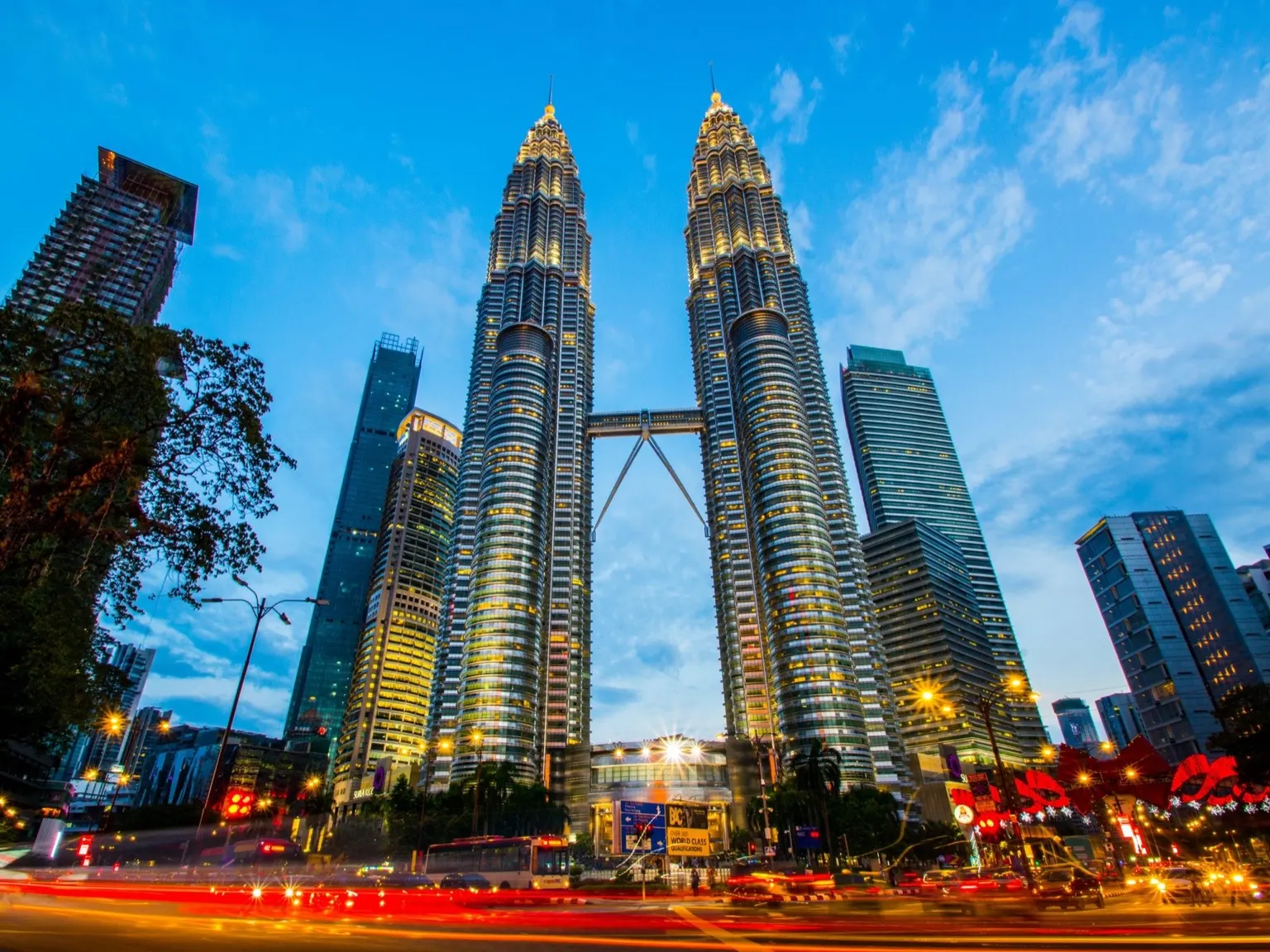
The Petronas Towers in Kuala Lumpur at dusk
OPAL Education Malaysia

TAS

Tashkent

KUL

Kuala Lumpur

Taught in
English
Intakes
several a year
QS 2027
UM ranked 56th

Why Malaysia

Why students from Uzbekistan choose Malaysia

Malaysia is a modern, progressive and Muslim-friendly country where Malay, Chinese and Indian cultures live side by side. That is how EMGS, Malaysia’s government service for international students, describes it.

For a school leaver from Uzbekistan it brings the essentials together: a degree taught in English, universities in the QS world rankings and a budget well below the UK or Australia. Below are the facts, with sources, so you can compare the options calmly before you decide.

  • 56UM in QS 2027

    World-class universities

    Universiti Malaya is 56th in the QS World University Rankings 2027, the best result a Malaysian university has ever achieved. Universiti Putra Malaysia is 138th. In all, 32 Malaysian universities are ranked, five of them in the top 200.

  • 160+institutions teach in English

    Degrees taught in English

    According to EMGS, more than 160 higher education institutions in Malaysia teach in English. The official language is Malay, but most people speak English, so you will manage without a translator in the city and on campus.

  • ≈ $3,700a year to live

    Affordable

    City University Malaysia suggests budgeting about RM 15,000 a year for housing, food and transport. Tuition fees at private universities for diplomas and bachelor’s degrees in business, IT and engineering are roughly $3,300–⁠5,900 a year.

  • 12of 163 in the Global Peace Index

    A safe country

    Malaysia is 12th of 163 countries in the Global Peace Index 2026, alongside Japan (10th) and Singapore (8th). For many parents this is one of the strongest arguments.

  • 130+languages spoken

    A multicultural society

    Malay, Chinese, Indian and indigenous cultures live side by side. Students from different countries quickly find their community, and the whole country celebrates each culture’s festivals.

  • No. 3economy in Southeast Asia

    A growing economy

    According to EMGS, Malaysia has the third-largest economy in Southeast Asia. Studying in an international, English-speaking environment is a good start to a career at home or abroad.

Worth knowing in advance

  • It is hot and humid all year: about 28 °C in the daytime, with humidity around 80%.
  • Part-time work is limited: up to 20 hours a week, during breaks and with Immigration approval — it will not cover tuition fees.
  • Many universities do not publish their fees for international students; the exact amount appears in the offer letter.
  • A foreign degree has to be recognised (nostrified) in Uzbekistan — worth considering when you choose a university.
  • For future doctors: housemanship (the medical internship) in Malaysia is open to Malaysian citizens only.

Universities

Universities in Malaysia we help you get into

Two private universities in Selangor, near Kuala Lumpur, each with its own strengths. Their pages cover programmes, fees and entry requirements.

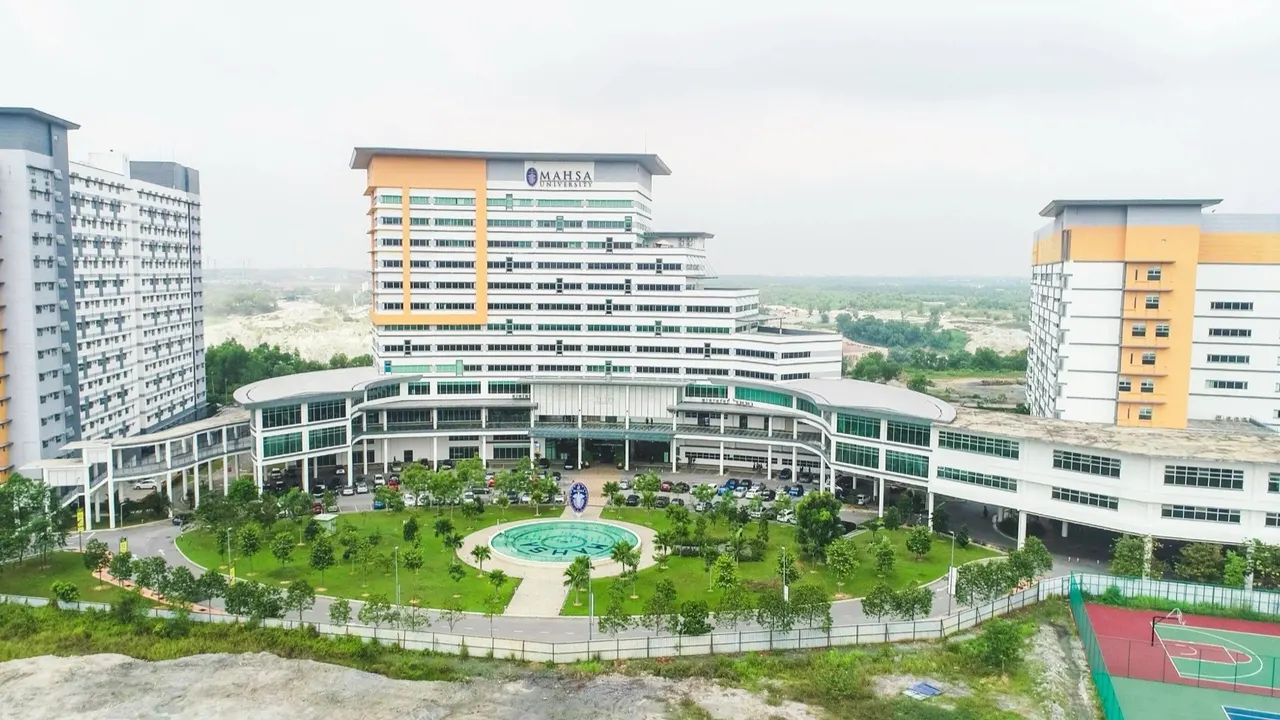
MAHSA University main building in Bandar Saujana Putra

Private university · Selangor

MAHSA University

Strongest in medicine and health: MBBS, dentistry (DDS), pharmacy and nursing, plus engineering, business and IT.

Programmes
92
Alumni
20,000+ from 75 countries
Scholarships
up to 100% for eligible students
More about MAHSA University 
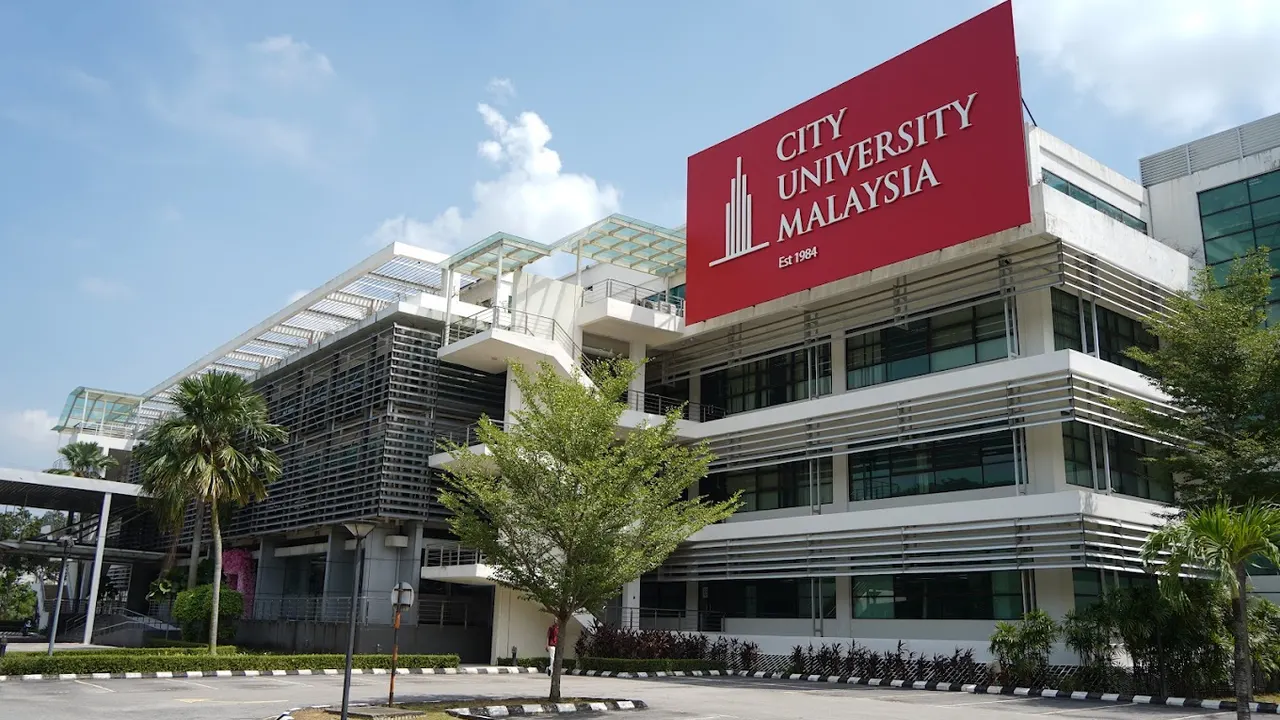
City University Malaysia building with its red sign

Private university · since 1984

City University Malaysia

Business, IT, engineering, architecture, design and nursing. Four campuses, the main one in Petaling Jaya.

Programmes
80+
Students
from 60 countries
Intakes
January, May, September
More about City University Malaysia 

We also match other Malaysian universities to your grades, English and budget — ask us at the consultation.

Education system

Levels of study: from Foundation to PhD

School in Uzbekistan lasts 11 years, while Malaysia asks for 12 years of education before a diploma or degree. That is why most school leavers start with a Foundation year.

  1. 3 months per level

    English course

    An intensive course at the university’s language centre if you have no IELTS yet or your score is too low.

  2. 1 year

    Foundation

    A preparatory year after school. It leads to the first year of a bachelor’s degree but is not a job qualification.

  3. 2–⁠3 years

    Diploma

    A practical programme after school. Diploma holders can often join a bachelor’s degree in year two, depending on the university.

  4. 3–⁠4 years

    Bachelor’s

    Medicine (MBBS) and dentistry take 5 years. Entry is after a Foundation year, a diploma or A-⁠Levels.

  5. 1–⁠2 years

    Master’s

    After a bachelor’s degree. There are both taught (coursework) and research programmes.

  6. from 3 years

    PhD

    A research doctorate built around your own project and a supervisor.

Studying abroad after school: a step-by-step plan 

Costs

How much does it cost to study in Malaysia?

Yearly guide figures for international students on MAHSA University and City University Malaysia programmes. The university states the exact amount in the offer letter.

Full breakdown of the cost of studying in Malaysia 
Foundation
RM a year17,700–⁠25,050
≈ USD a year$4,300–⁠6,100
Diplomabusiness, IT, engineering, health
RM a year13,300–⁠20,100
≈ USD a year$3,300–⁠4,900
Bachelor’sbusiness, IT, engineering
RM a year16,700–⁠24,100
≈ USD a year$4,100–⁠5,900
Master’sbusiness, IT, engineering
RM a year15,200–⁠34,400
≈ USD a year$3,700–⁠8,400
PhD
RM a year16,000–⁠23,400
≈ USD a year$3,900–⁠5,700

Medicine, dentistry and pharmacy cost more — we work them out separately. Rate: 4.08 ringgit to the US dollar (Bank Negara Malaysia, 1 October 2026).

  • Living costs

    RM 1,200–⁠1,800 a month

    Average student spending excluding housing and tuition fees, as estimated by MAHSA University (≈ $290–⁠440).

  • MAHSA residence

    RM 500–⁠1,200 a month

    A twin or single room, with or without air conditioning (≈ $120–⁠290).

  • Visa and insurance

    RM 2,858–⁠3,004

    Compulsory EMGS payments in the first year: processing, medical screening, insurance and the Student Pass (≈ $700–⁠740).

Scholarships

Scholarships to study in Malaysia

Completely free study is rare. More often a scholarship covers part or all of the tuition fees, while housing, flights and the visa stay with the family. Here is what is realistically open to students from Uzbekistan.

We check which university scholarships and discounts you can apply for and submit your documents on time.

All scholarships to study abroad 
  • University

    MAHSA University scholarships

    Up to 100% of tuition fees for eligible students, based on academic results. Terms change from intake to intake.

  • University

    City University Malaysia scholarships

    In recent intakes, for international bachelor’s students: the Vice-Chancellor and Pro-Chancellor scholarships covered up to 100% of first-year tuition fees after a Foundation year or A-⁠Levels with top grades, and the Outstanding Student scholarship up to 80%. We confirm the terms for your intake.

  • Government of Malaysia

    Malaysia International Scholarship (MIS)

    For master’s and PhD study at public and several private universities: tuition fees plus RM 1,500 a month. Uzbekistan is an eligible country; in 2026 applications ran from 4 March to 3 April.

  • Uzbekistan

    El-Yurt Umidi Foundation

    Uzbekistan’s state foundation funds study only at universities in the QS or THE top 300, such as Universiti Malaya. MAHSA and City University are not on that list.

Intakes

When does the academic year start in Malaysia?

There is no single national start date: each university sets its own intakes, and private universities run several a year. Miss one and you wait a few months, not a whole year.

  • City University Malaysia

    Foundation and bachelor’s

    Intake months: Jan, May, Sep

  • City Language Centre

    Intensive English

    Intake months: Jan, Apr, Jul, Oct

  • MAHSA University

    Foundation in Science

    Intake every semester

Start preparing 4–⁠6 months before classes begin: the visa alone takes about 6–⁠8 weeks. We confirm the dates of your programme with the university.

Admission and visa

Entry requirements and the student visa

What you need to apply, and how the student visa works through EMGS, Malaysia’s official service for international students.

What you need to apply

  • School certificate

    Required for every programme. Malaysia asks for 12 years of education before a diploma or degree, so after grade 11 students usually start with a Foundation year.

  • English certificate

    IELTS, TOEFL, PTE Academic, Cambridge English or MUET. No certificate yet? You can start with the university’s English programme.

  • Passport

    Valid for at least 18 months. Ideally it should run 12 months beyond the end of your course.

  • Translations

    Documents that are not in English are translated and notarised.

  • Health insurance

    Compulsory for the whole period of study.

How to get a student visa

  1. 01

    Offer letter

    The university reviews your documents and sends an offer letter. Only then can the visa application start.

  2. 02

    EMGS application

    The student or the university uploads the documents. EMGS aims to process a complete application in 14 working days.

  3. 03

    eVAL

    The electronic visa approval letter for study. Without it you cannot enter Malaysia as a student.

  4. 04

    Entry visa

    Citizens of Uzbekistan also need a single entry visa (SEV), through the eVISA system or the Malaysian Embassy in Tashkent.

  5. 05

    Arrival and medical check

    Within 7 working days of arrival you have a medical check at an EMGS panel clinic.

  6. 06

    Student Pass

    The pass is endorsed in your passport, usually for up to one year, and is then renewed.

How to apply to a university in Malaysia: documents and timeline 
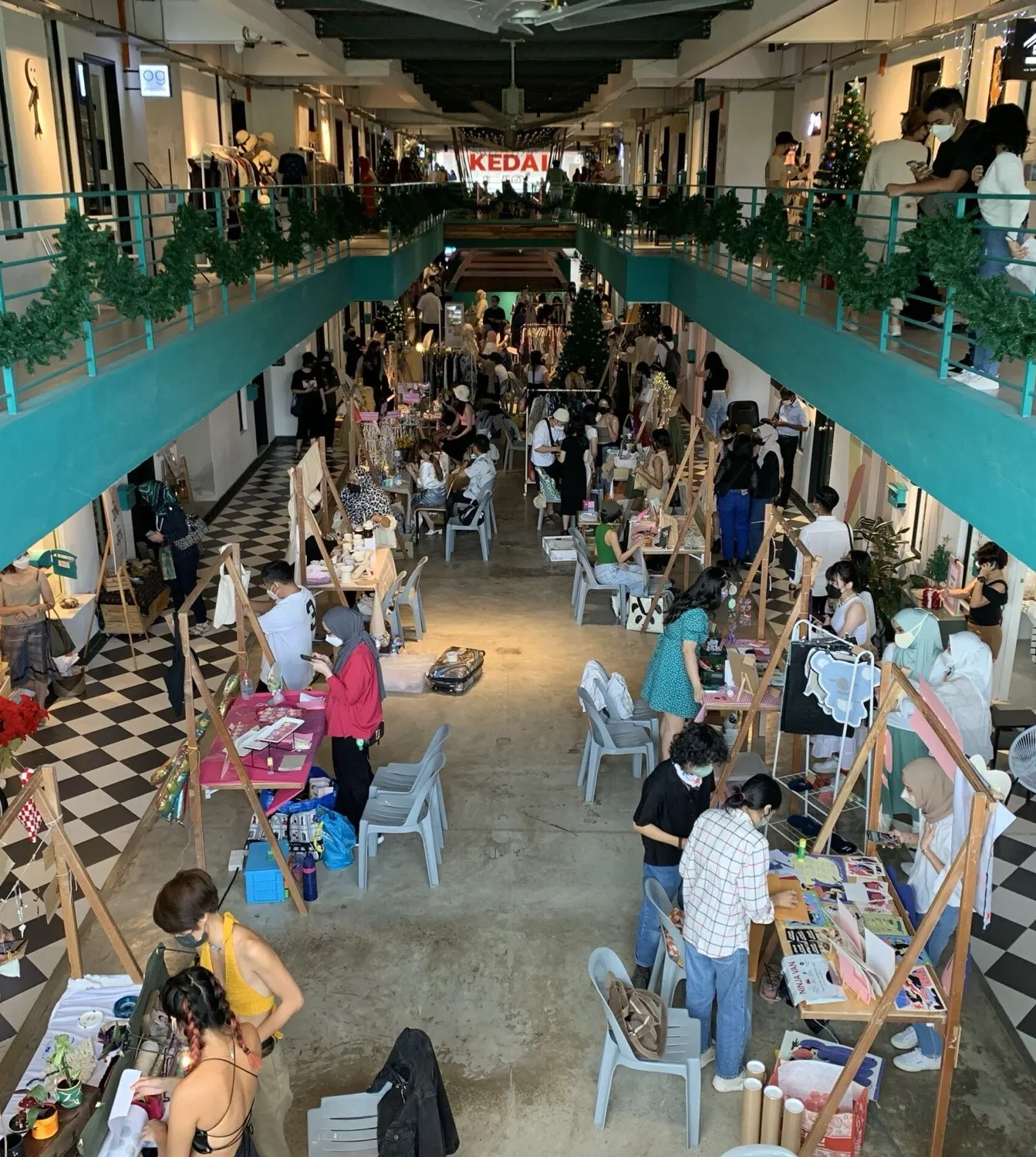
A local designers’ market in Malaysia, the kind of place students spend their weekends

Life in Malaysia

Student life in Malaysia

What matters day to day: food, safety, climate, transport and part-time work.

  • Halal food everywhere

    EMGS describes Malaysia as Muslim-friendly, with easy access to halal food. Lunch at a local food stall costs about $1–⁠3.

  • Safety

    Malaysia is 12th of 163 countries in the Global Peace Index 2026. Universities help with accommodation, and our team in Malaysia stays in touch.

  • Climate

    Tropical: about 28 °C in the daytime and around 80% humidity all year. You will not need winter clothes, but you will need an umbrella.

  • Transport

    Kuala Lumpur has metro and monorail lines: a trip costs about $0.21–⁠1.50, and a Grab ride $1.50–⁠10.

  • A multicultural place

    Malay, Chinese, Indian and indigenous cultures, and more than 130 languages. Most people understand English.

  • Studying and working in Malaysia

    You may work up to 20 hours a week — under EMGS rules only during breaks longer than 7 days and with Immigration approval. Allowed workplaces: restaurants, petrol stations, mini markets, hotels and the campus.

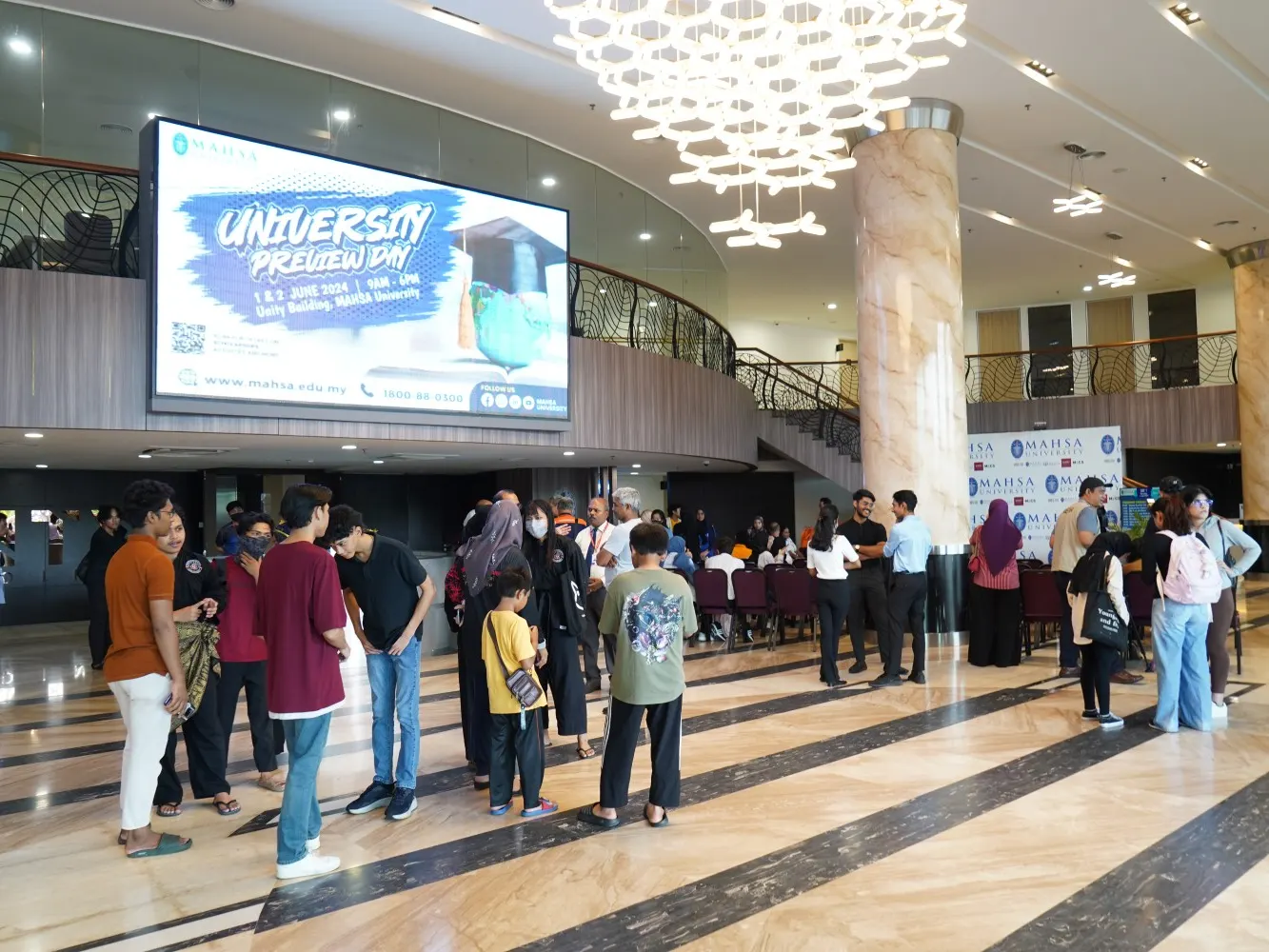
MAHSA University hall on a university preview day

Medicine

Medicine and dentistry in Malaysia

At MAHSA University you can train as a doctor (MBBS, 5 years) or a dentist (Doctor of Dental Surgery, 5 years) in English. The MBBS has been on the Malaysian Medical Council’s list of recognised qualifications since 2014. The route starts with the Foundation in Science, and the MBBS requires IELTS 6.0 or TOEFL 550.

Everything about studying medicine in Malaysia
Is studying in Malaysia worth it?
For many families from Uzbekistan, yes — especially if you want a degree taught in English at a reasonable price. On the plus side: English-taught programmes, QS-ranked universities, safety (12th in the Global Peace Index 2026) and halal food. There are downsides too: a hot climate all year, limited part-time work, and the degree has to be recognised in Uzbekistan. We look at your case at the consultation.
How much does it cost to study in Malaysia?
At private universities, tuition fees for diplomas and bachelor’s degrees in business, IT and engineering are roughly $3,300–⁠5,900 a year; a Foundation year costs $4,300–⁠6,100. Medicine and dentistry cost more. For living costs City University Malaysia suggests about RM 15,000 a year (≈ $3,700), and the first year adds about $700–⁠740 for the visa and insurance. The full breakdown is in our guide to the cost of studying in Malaysia.
What language are university courses taught in?
English. According to EMGS, more than 160 higher education institutions in Malaysia teach in English, including MAHSA University and City University Malaysia. Malay is the official language, but most people understand English. Some programmes include short compulsory modules in Malay and Malaysian Studies for international students.
When does the academic year start in Malaysia?
There is no single date: each university sets its own intakes. City University Malaysia, for example, admits international students in January, May and September; MAHSA University’s Foundation in Science takes students every semester; English courses at City Language Centre start in January, April, July and October. Start preparing 4–⁠6 months ahead: the visa alone takes about 6–⁠8 weeks.
Can international students work in Malaysia while studying?
Yes, with limits. An international student may work up to 20 hours a week, only with Immigration approval and only at approved workplaces: restaurants, petrol stations, mini markets, hotels and university premises. Under EMGS rules this is allowed during breaks longer than 7 days. Students at language centres may not work at all. Part-time work will not cover tuition fees, so plan your budget without it.
Can you study in Malaysia for free?
Fully free study is rare. MAHSA University offers scholarships of up to 100% of tuition fees to eligible students, and in recent intakes City University Malaysia covered up to 100% of the first bachelor’s year for top Foundation or A-⁠Level graduates. For master’s and PhD study there is the government’s Malaysia International Scholarship: tuition fees plus RM 1,500 a month. Housing, flights and the visa usually stay with the family. More in our guide to scholarships to study abroad.
Can I study in Malaysia without IELTS?
Yes, you can start with an English course at the university. MAHSA University, for example, runs a free diagnostic test and places you in its Intensive English Programme accordingly. For the student visa, though, a certificate matters: without one EMGS may take longer and may not issue a Student Pass for the full length of your course. IELTS, TOEFL, PTE Academic, Cambridge English and MUET are accepted.
Can I study in Malaysia after grade 11?
Yes, through a Foundation year. Malaysia asks for 12 years of education before a diploma or degree, while school in Uzbekistan lasts 11 years, so school leavers usually take a one-year Foundation and then go straight into the first year of a bachelor’s degree. See our plan for studying abroad after school.
Do I need a visa, and how do I get one?
Yes. First the university issues an offer letter; then the eVAL is processed through EMGS, which aims to handle a complete application in 14 working days. Citizens of Uzbekistan also need a single entry visa (SEV). After arrival come a medical check within 7 working days and the Student Pass in your passport. Step by step: how to apply to a university in Malaysia.
Is a Malaysian degree recognised in Uzbekistan?
Foreign degrees are recognised in Uzbekistan by the Agency for Assessment of Knowledge and Qualifications, through a service on my.gov.uz. Degrees from universities on the annually approved top-⁠1000 list of world rankings (QS, THE, ARWU) are recognised directly; otherwise the commission may set a test in the main subjects. We take this into account when choosing a university.
Is Malaysia safe for students?
Yes. By international measures it is one of the safest countries in Asia: 12th of 163 in the Global Peace Index 2026, with only Singapore and Japan ranked higher in Asia. Students live in residences or near campus, and our team in Malaysia stays in touch.

TAS KUL

Tell us your plans — we will match you with a university in Malaysia and work out the budget

Leave your number and a consultant will get back to you within one working day.

We reply within one working day. Your number is used only to discuss your admission. By sending the form you agree to the privacy policy.